





| Mon | Tue | Wed | Thu | Fri | ||
|---|---|---|---|---|---|---|
| AM | Gastroenterology | Sato Masaaki | Closed | Sato Masaaki | Sato Masaaki | Closed |
| PM | Gastroenterology | Sato Masaaki | Closed | Sato Masaaki | Closed | Closed |
Reception Hours
8:00–12:00
14:00–17:00
Consultation Hours
8:30–12:00
14:30–17:30
※ Please note that clinic days, reception/consultation hours, and attending physicians are subject to change without notice due to temporary closures or physician absences.
Overview
Gastroenterology is a branch of internal medicine that primarily diagnoses and treats conditions of the esophagus, stomach, duodenum, large intestine, liver, gallbladder, and pancreas. We strive to provide rapid and accurate diagnosis and appropriate treatment for patients presenting with symptoms such as heartburn, nausea, abdominal pain, diarrhea, constipation, vomiting blood, or blood in the stool.
Using abdominal ultrasound, abdominal CT, abdominal MRI, and upper and lower gastrointestinal endoscopy, we work toward the early detection of gastrointestinal cancers. We also diagnose and treat benign gastrointestinal conditions such as chronic hepatitis, chronic pancreatitis, gastric and duodenal ulcers, and ulcerative colitis. For patients unable to eat orally due to dysphagia or other conditions, we provide nutritional support through percutaneous endoscopic gastrostomy (PEG).

If you are experiencing digestive symptoms such as an upset stomach, abdominal pain, or blood in your stool, or if you have been advised to undergo further testing for your stomach or colon following a health checkup, or if you have been told you may have liver dysfunction, please do not hesitate to come and see us. Our gastroenterology team will be happy to help.
Examinations
Upper Gastrointestinal Endoscopy (Gastroscopy)
An endoscope is inserted through the mouth to examine the esophagus, stomach, and part of the duodenum. The camera allows direct visualization of the mucosal lining of the stomach and esophagus, enabling detection of ulcers, inflammation, tumors, and polyps. Transnasal endoscopy (inserted through the nose) is also available — please ask for details.
Colonoscopy
An endoscope is inserted through the anus to examine the entire large intestine. This procedure can detect colorectal cancer, colon polyps, and inflammatory bowel disease.
Abdominal Ultrasound
High-frequency sound waves (ultrasound) are directed at the abdomen, and the reflections are displayed as an image. The examination involves applying gel to the abdomen and placing an ultrasound probe against the skin — it is completely painless. Abdominal ultrasound can be used to diagnose fatty liver, gallstones, gallbladder polyps, and tumors of various abdominal organs.
Our Doctors
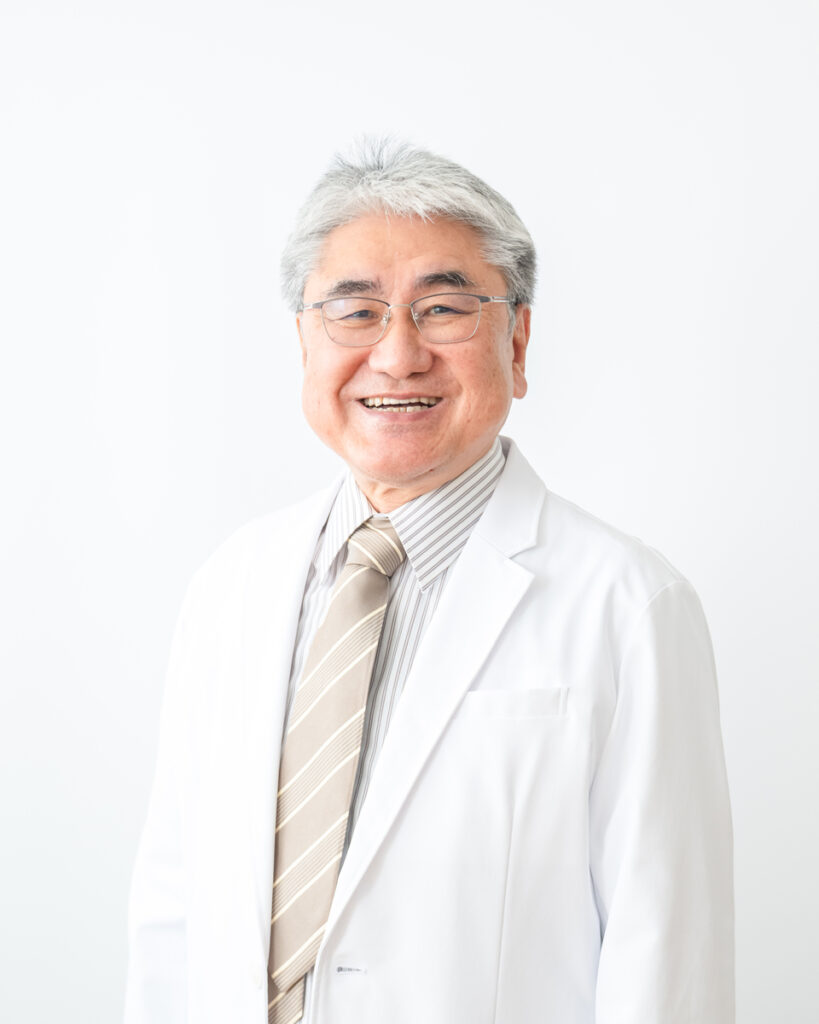
Sato Masaaki
| Department | Gastroenterology |
|---|